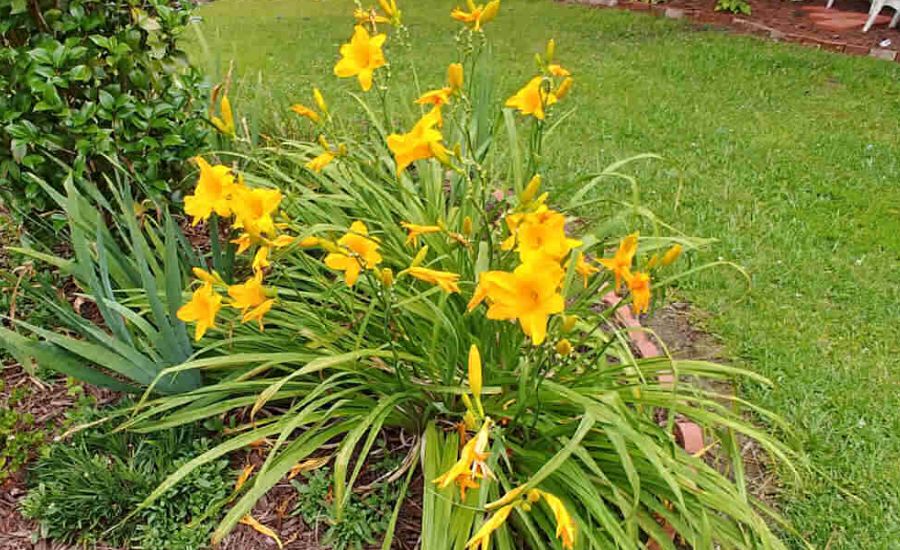
Daylily Stalk Broke In Transport Bag, Popular, Common Issues & More
Introduction To Daylily Stalk Broke In Transport Bag
Returning from a nursery or plant change with a brand new addition on your garden is usually interesting. However, the joy can fast turn to unhappiness when you find out a damaged daylily stalk in your shipping bag. This is a common difficulty, even for pro gardeners, and it can sense irritating while the damage takes place. But don’t worry—there are answers!
In this manual, we’ll explore why daylily stalks are particularly at risk of breaking at some stage in shipping and share sensible pointers on the way to cope with the state of affairs. Whether the smash is minor or more severe, there are steps you could take to store your plant and help it recover. We’ll additionally discuss preventive measures to reduce the danger of harm inside the destiny, making sure that your plants make it domestic in a single piece.
Additionally, we’ll deal with some regularly requested questions regarding plant harm, supplying you with the knowledge and self belief to take care of your daylilies shifting forward. By following these easy steps, you can nurse your plant returned to health and keep to revel in your lawn’s splendor, regardless of the occasional hiccup. In this article we;ll read about Daylily Stalk Broke In Transport Bag.
What Are Daylilies?
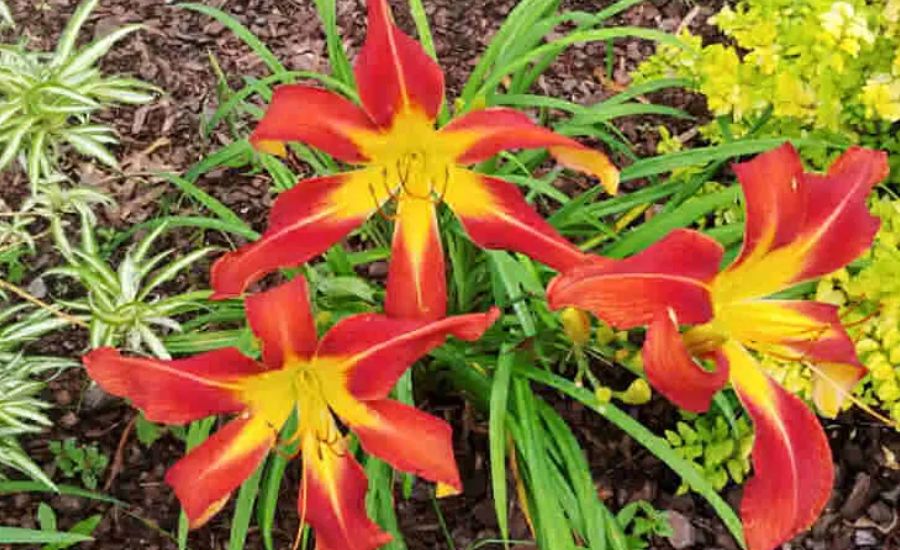
Daylilies (Hemerocallis spp.) are cherished perennial plant life which have come to be a staple in gardens because of their beautiful, albeit short, blooms. These plant life are regarded for their particular characteristic: every individual bloom lasts best at some point. However, daylilies constantly produce new buds at some stage in the developing season, making sure a colourful display of color for weeks. With an extensive variety of colours, shapes, and sizes, they could supplement nearly any lawn fashion, making them a favorite among gardeners of all revel in levels.
One of the motives daylilies are so famous is their low-protection nature. These flowers are exceedingly resilient and adaptable, thriving in plenty of climates and soil conditions. They are drought-tolerant, which means they require less frequent watering once hooked up, and are proof against many commonplace plant diseases, which makes them a really perfect preference for beginner gardeners. Daylilies also are flexible in terms of mild necessities—they could grow in each full sun and partial color, which permits them to flourish in distinct components of a garden. This flexibility guarantees that daylilies can thrive in a number of environments, whether or not in a sunny spot or a barely shadier area.
Why Are Daylilies Popular?
In addition to their beauty and resilience, daylilies are smooth to propagate, permitting gardeners to grow more flora from a single original specimen. This makes them a wonderful investment for all of us seeking to enlarge their lawn over the years. Another appealing issue is the long blooming period that stretches at some point of the summer season. As each flower opens, the plant produces numerous buds, making sure that there may be constantly some thing in bloom, despite the fact that individual plant life simplest last a day.
Despite their hardiness, daylilies require careful handling, especially when being transported.
Common Issues
Transporting daylilies in luggage can from time to time lead to a few common troubles which can effect their health and destiny growth. These flora, though hardy, are sensitive to fallacious coping with during transit, and information the capability issues can assist gardeners save you damage and make sure their flora thrive as soon as planted.
One common issue is bodily damage, in particular while the daylilies’ sensitive blooms or stems get overwhelmed during shipping. The limited space in a bag can result in damaged stalks or bruised foliage, that can avoid the plant’s ability to thrive after being planted. Additionally, fallacious ventilation in the bag can reason the flora to overheat or emerge as too wet, leading to fungal boom or rot.
Another concern is the pressure that daylilies might also revel in from being moved in an unexpected environment. Stress can weaken the plant, making it greater liable to pests and illnesses once it is transplanted. However, with proper care, including suitable packaging and attention to mild and moisture at some stage in transit, many of these problems can be mitigated.
By being proactive and aware of those ability demanding situations, gardeners can help their daylilies transition smoothly and set them up for a a hit, wholesome destiny within the lawn.
My Daylily stalk broke in transport bag: What Now?
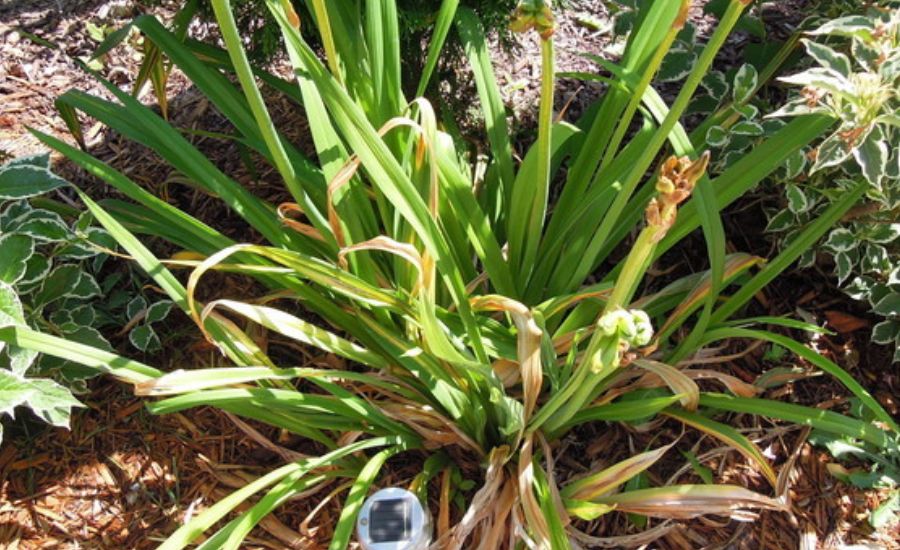
Noticing a broken daylily stalk can be a traumatic second for any gardener, but don’t panic—there are several steps you may take to cope with the difficulty and deliver your plant the nice threat of restoration. Here’s a manual to help you manage a damaged daylily stalk and support its restoration technique.
Step 1: Assess the Damage
Begin with the aid of intently analyzing the damage to determine the severity. Is the stalk completely damaged, or is it without a doubt bent? A clean destroy may also restriction the plant’s on the spot increase, but if the wreck is only partial, there’s nonetheless desire for recovery. In some instances, the plant can also preserve to thrive the usage of its ultimate wholesome parts. If the stalk has completely snapped, however, the plant will want more attention to make sure it keeps to develop nicely.
Step 2: Prune Damaged Parts
If the stalk is damaged, it’s crucial to eliminate the broken element to save you further damage. Using sharp garden scissors or pruning shears, reduce the damaged stalk cleanly just above where it connects to the base of the plant. This will lessen the hazard of contamination and help the plant direct its power toward healing the final parts.
Step 3: Support the Remaining Stalks
If there are other healthy stalks still intact, offer them support to prevent additional damage. Use plant ties or soft string to gently secure the remaining stalks to a stake. This is particularly important if the plant has heavy blooms or is top-heavy, as providing extra support will help avoid further breaks.
Step 4: Focus on Root Health
A strong root machine is key to the healing of a broken daylily stalk. Make positive the plant gets plenty of water and is positioned in a gap with indirect sunlight to assist it acclimate. A healthy root device will foster new growth, giving your daylily the risk to get better and thrive.
By following those steps, you could boom the chances of your daylily convalescing from damage and make certain it maintains to flourish to your garden.
Tips to Prevent Stalk Breakage During daylily stalk broke in transport bag
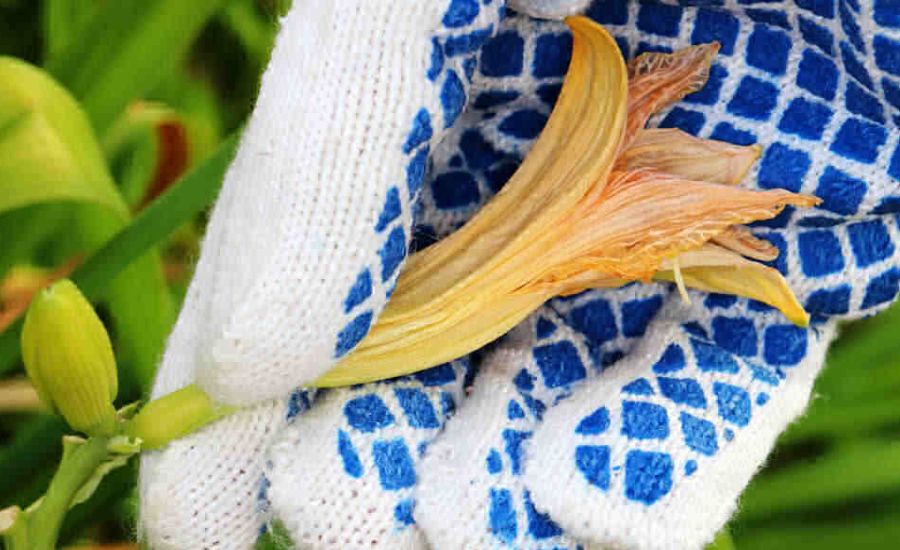
Preventing damage to daylilies all through shipping is critical for maintaining them healthful and thriving. If you’re uninterested in dealing with damaged daylily stalks after each experience to the nursery, keep in mind those sensible recommendations to higher protect your plants:
Use a Sturdy Box: Opt for a strong, shallow field as opposed to a flimsy bag. A field offers greater area, allowing the flowers to spread out and lowering the probability of stalks being cramped or bent.
Wrap Stalks Individually: For delivered safety, wrap each stalk in tissue paper or newspaper. This more layer cushions the stalks and enables prevent them from jostling and breaking at some point of shipping.
Provide Support Stakes: Add small bamboo stakes or comparable helps to the pots or bags to help maintain the stalks upright. This is in particular helpful for taller daylilies or those with heavy blooms.
Keep the Bag Upright: Always make sure the transport bag or box remains upright all through movement. Sudden tipping can reason the stalks to shift, bend, or snap.
Mind the Temperature: High temperatures can weaken the plant’s stalks. To keep away from this, shipping your daylilies in a cool, shaded area, especially if you’re touring for an prolonged duration.
By taking these simple precautions, you can make certain your daylilies arrive domestic in fantastic circumstance, geared up to thrive in your lawn.
FACT:
- Daylilies (Hemerocallis spp.) are perennial plants known for their vibrant, short-lived blooms. Each flower lasts for just one day, but new buds continually form throughout the growing season, ensuring a long display of color.
- Daylilies are hardy and can tolerate a variety of climates and soil conditions. They are drought-resistant and resistant to many common plant diseases, making them ideal for beginner gardeners.
- Daylilies are easy to propagate and grow in both full sun and partial shade, which makes them versatile in various garden settings.
- Transporting daylilies can cause damage to the plant, especially if they are packed improperly. Common issues include broken or bruised stalks, crushed blooms, poor ventilation leading to overheating or excess moisture, and stress that weakens the plant, making it more susceptible to pests and diseases.
- Steps to address a broken daylily stalk:
- Assess the damage: Determine if the stalk is completely broken or just bent. Partial breaks may still allow the plant to recover.
- Prune damaged parts: If the stalk is completely broken, prune it cleanly just above the base of the plant to prevent further damage and infection.
- Support remaining stalks: Use ties or stakes to support healthy stalks to prevent further breaks.
- Focus on root health: Ensure the plant is watered properly and placed in a location with indirect sunlight to encourage root recovery and new growth.
- Preventing damage during transport:
- Use a sturdy, shallow box instead of a bag to reduce the risk of damage.
- Wrap individual stalks in tissue paper or newspaper to protect them.
- Use small stakes to help keep the stalks upright.
- Ensure the transport container stays upright and avoid exposing the plants to high temperatures.
By taking these steps, gardeners can improve the chances of daylilies recovering from transport damage and ensure their plants thrive after planting.
FAQs about Daylily Stalk Breakage During Transport
- What should I do if my daylily stalk breaks during transport?
- First, assess the damage to determine if the stalk is completely broken or just bent. If the stalk is broken, prune the damaged part above the base to prevent infection. Support any remaining healthy stalks with ties or stakes, and focus on root health by watering properly and placing the plant in indirect sunlight.
- Can a broken daylily stalk still recover?
- Yes! If the break is partial, the plant can often continue to grow from its remaining healthy parts. Pruning the damaged stalk and supporting the healthy ones can help the plant recover.
- How can I prevent daylily stalks from breaking during transport?
- To prevent damage, use a sturdy, shallow box instead of a bag, wrap stalks individually in tissue paper or newspaper, and provide support stakes. Ensure the transport container stays upright and avoid exposing the plants to high temperatures.
- Is it normal for daylilies to experience damage during transport?
- Yes, daylilies can be susceptible to damage during transport, especially if they are packed improperly. Physical damage to stalks, bruising of foliage, and stress from sudden movement are common issues.
- What’s the best way to package daylilies for transport?
- Use a sturdy box, wrap stalks in soft material like tissue paper, and include small stakes to keep the plants upright. Ensuring proper ventilation and keeping the container upright helps reduce damage.
Summary:
Transporting daylilies can sometimes result in damage, particularly broken stalks. Daylilies are hardy and resilient plants, but improper handling during transport can cause physical damage such as broken stalks, bruised foliage, and stress. If a daylily stalk breaks, assess the damage to determine if it’s a partial or full break. If the stalk is completely broken, prune it cleanly, support the remaining healthy stalks, and focus on maintaining a strong root system with proper watering and indirect sunlight.
To prevent stalk breakage during transport, use sturdy, shallow boxes instead of flimsy bags, wrap stalks individually in soft materials like tissue paper or newspaper, and provide support with stakes. Ensure the container remains upright and avoid exposing the plants to extreme temperatures.
With careful attention, damaged daylilies can recover, and following preventive measures can help avoid future issues during transport.
For more Information About Plants visit our site Francher Way